becoming
  • Welcome
  • Who we are
  • EVENTS
    • MLK JR DAY Jan
    • BLACK HISTORY MONTH Feb
    • CHINESE NEW YEAR Feb
    • SPREAD GOODNESS DAY Mar
    • SCHOOL BOARD CANDIDATE FORUM Mar
    • ARAB AMERICAN MONTH April
    • MEL SCHOLARSHIP May
    • AANHPI HERITAGE MONTH May
    • JUNTEENTH June
    • COMMUNITY CORN ROAST Sept
    • HISPANIC HERITAGE MONTH Oct
  • Contact us
  • PARTNERS


​Arab America Foundation site:

ArabAmericaFoundation.org

Picture
Picture
Picture
ARAB AMERICAN FOUNDATION
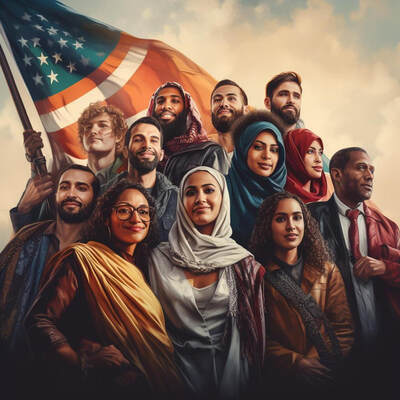
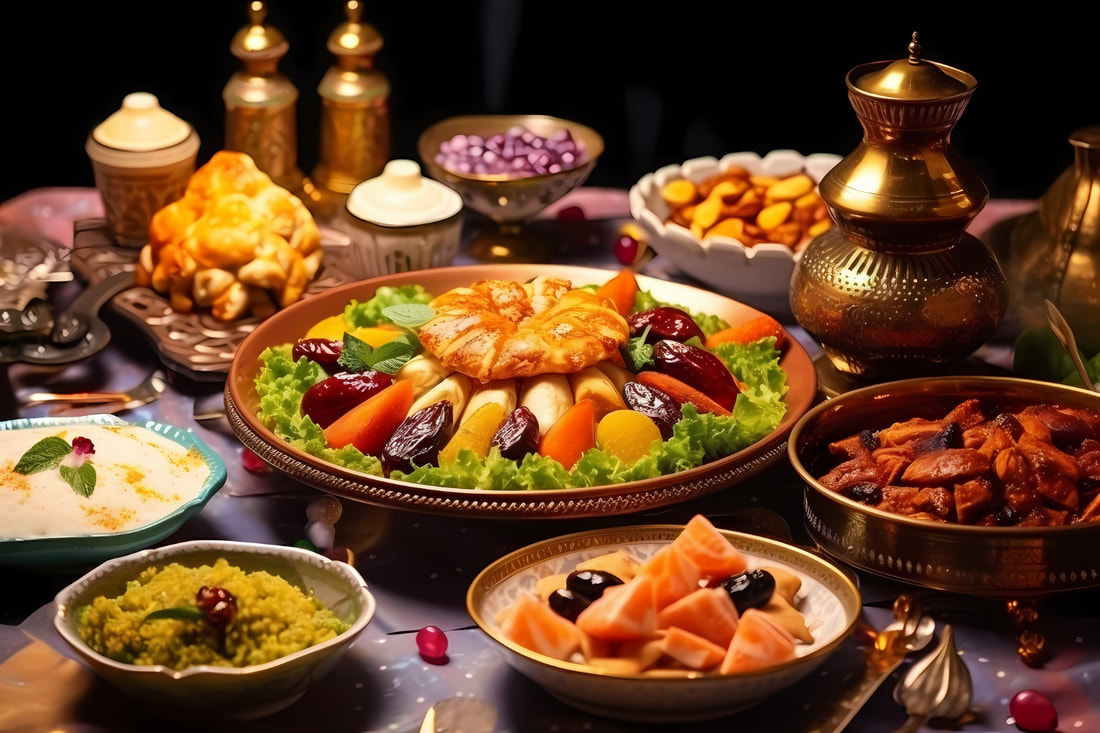
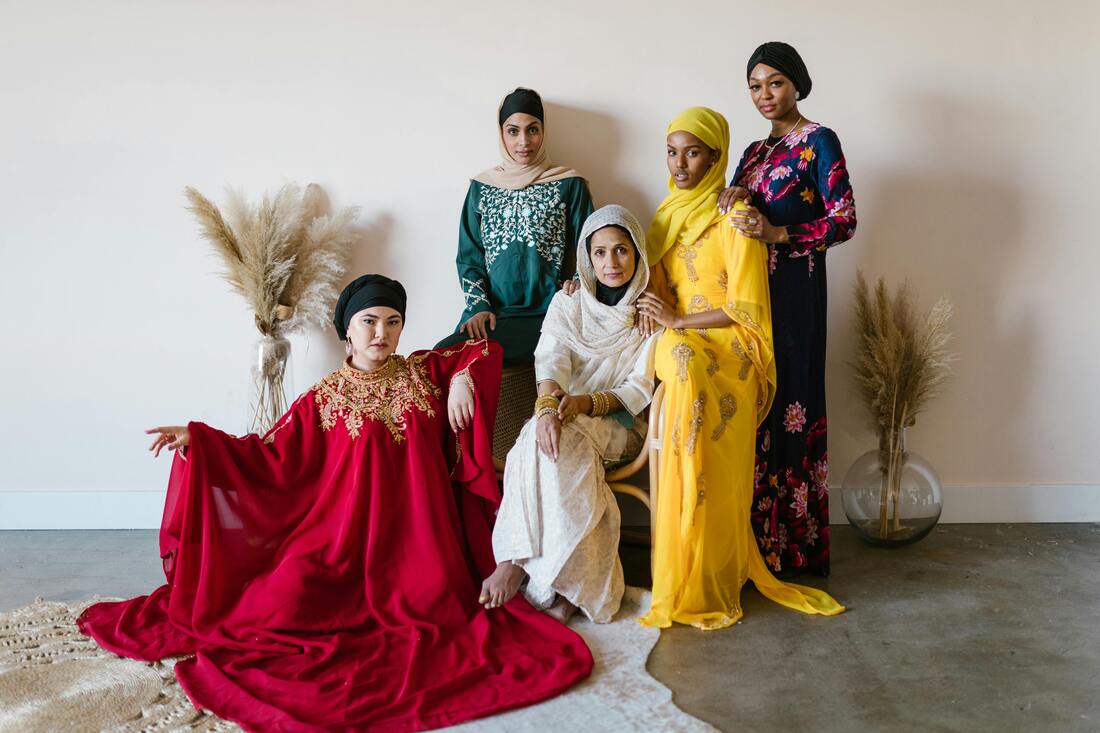
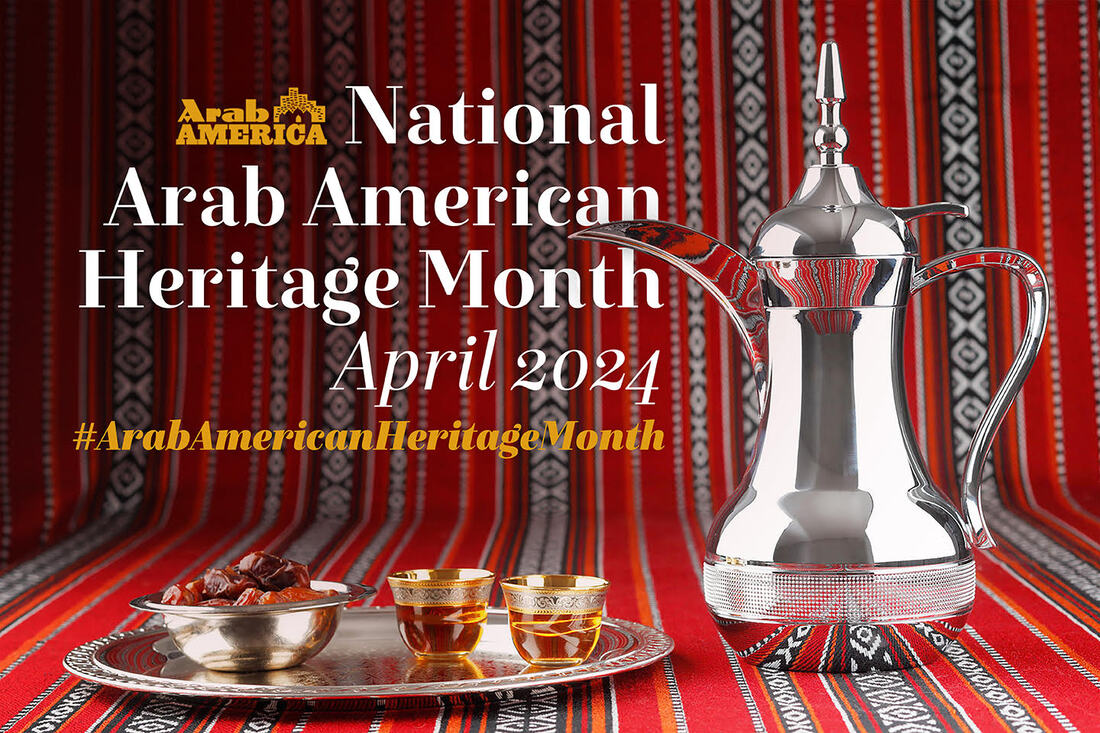
The Arab America Foundation’s (AAF) primary purpose is to promote the Arab heritage and empower Arab Americans. This mission is accomplished through the coordination of National Arab American Heritage Month (NAAHM) in April. NAAHM promotes an accurate narrative about the history, culture and identity of Arab Americans. 

During this month, we honor the Arab Americans who came before us and fought for our community. We celebrate our culture, take pride in our heritage, and learn about our history. As such, everyone celebrates NAAHM differently. 

An Arab is someone whose native language is Arabic. The term was first used to describe people who lived in a part of southwestern Asia called the Arabian Peninsula. Today the word Arab also refers to Arabic-speaking people who live in the Middle East, North Africa, and other places.

​
Arab American Origins
  • The Arab World includes 22 countries stretching from North Africa in the west to the Arabian Gulf in the east.
  • Arabs are ethnically, religiously and politically diverse but descend from a common linguistic and cultural heritage.
  • Not all Arabs are Muslim.
  • Not all Muslims are Arab.
  • Arab Americans began arriving to the United States during the late 19th century and early 20th century.


​
Educational Resources

Picture
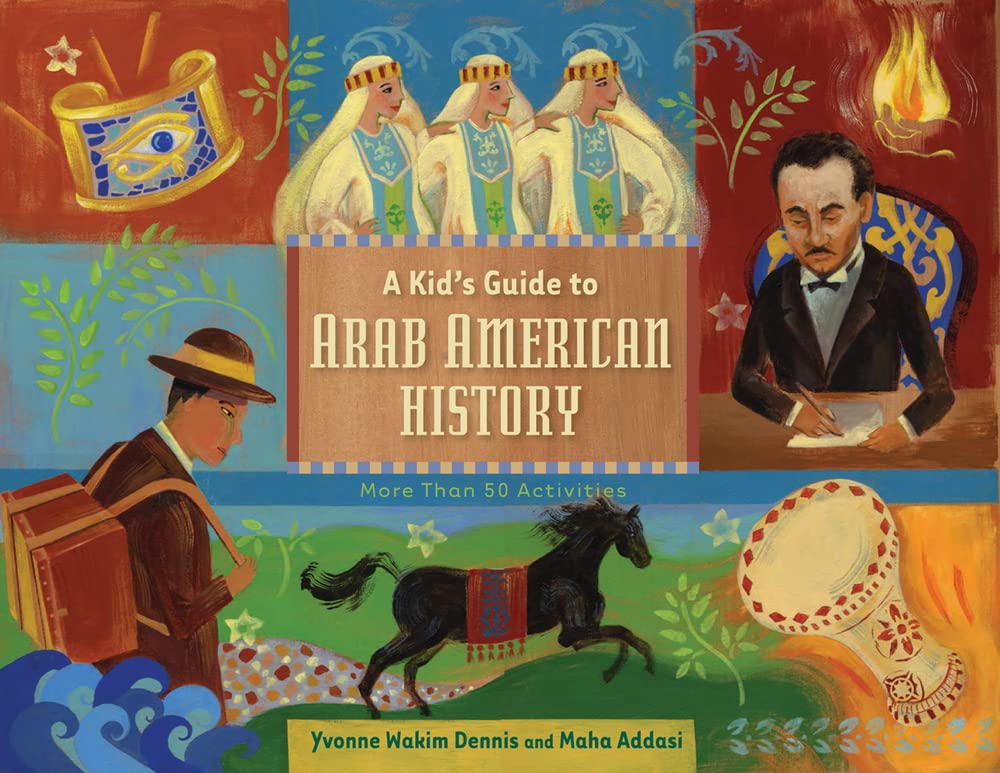
A wonderful resource for teaching children
about the rich history of Arab Americans.
Order on Amazon: A Kid's Guide to Arab American History:
​More Than 50 Activities (A Kid's Guide series)


Many Americans, educators included, mistakenly believe all Arabs share the same culture, language, and religion, and have only recently begun immigrating to the United States. A Kid’s Guide to Arab American History dispels these and other stereotypes and provides a contemporary as well as historical look at the people and experiences that have shaped Arab American culture. Each chapter focuses on a different group of Arab Americans including those of Lebanese, Syrian, Palestinian, Jordanian, Egyptian, Iraqi, and Yemeni descent and features more than 50 fun activities that highlight their distinct arts, games, clothing, and food. Kids will love dancing the dabke, constructing a derbekke drum, playing a game of senet, making hummus, creating an arabesque design, and crafting an Egyptian-style cuff bracelet. Along the way they will learn to count in Kurdish, pick up a few Syrian words for family members, learn a Yemeni saying, and speak a little Iraqi. Short biographies of notable Arab Americans, including actor and philanthropist Danny Thomas, singer Paula Abdul, artist Helen Zughaib, and activist Ralph Nader, demonstrate a wide variety of careers and contributions.
Picture
A Resource Guide: Arab American Heritage Month Resource Guide
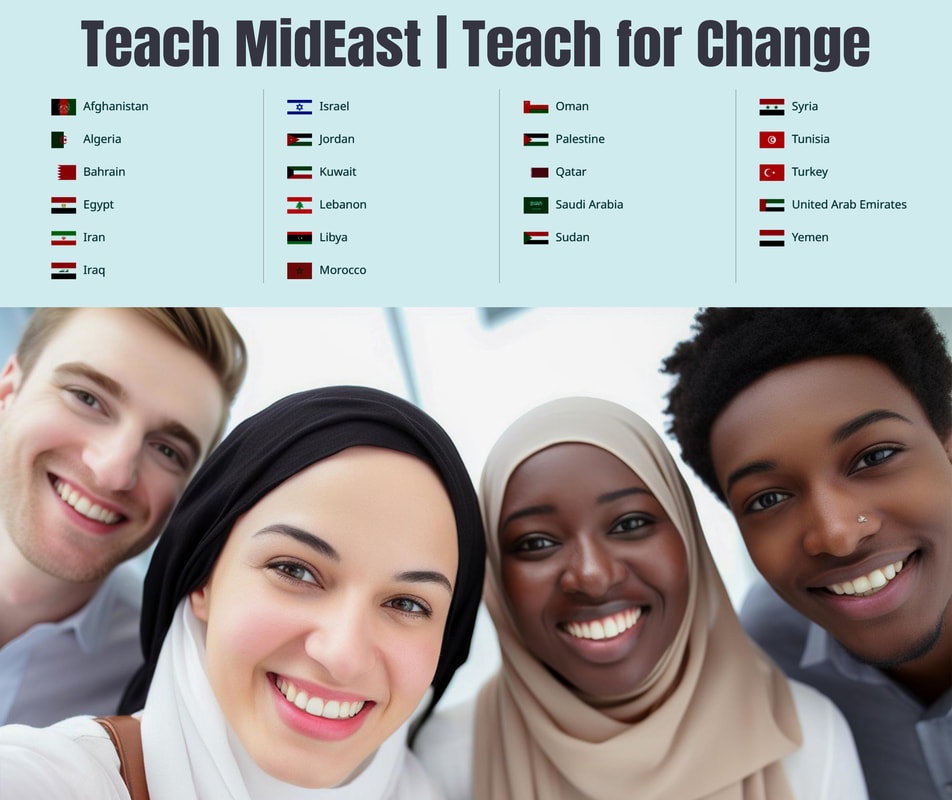
TeachMideast: 
Arab, Middle Eastern, and Muslim? What’s the Difference?
Teaching for Change: 
​
Arab Stereotypes and American Educators
Arab Americans Today
Today there are over 3.7 million Arab Americans in the U.S. About one of every three Arab Americans lives in one of the nation’s six largest metropolitan areas, and about 90 percent live in urban areas. 66 percent of Arab Americans live in 10 states, but there are also significant communities in California, Michigan and New York/New Jersey. The cities with largest Arab American populations are Los Angeles, Detroit, New York, Chicago and Washington, D.C. Migration policies, social attitudes and international conflict have influenced the subsequent flows of migrants from the Arab world. [Source.]
 Recommended Topics to Discuss
  • The history of Arabs in America
  • Notable Arab Americans
  • Prejudice against Arabs and Muslims following 9/11 and War on Terror
  • The ways in which Arab and Muslim Americans embody American values while maintaining their cultures
  • Arab American civic, political and cultural engagement

Powered by Create your own unique website with customizable templates.
  • Welcome
  • Who we are
  • EVENTS
    • MLK JR DAY Jan
    • BLACK HISTORY MONTH Feb
    • CHINESE NEW YEAR Feb
    • SPREAD GOODNESS DAY Mar
    • SCHOOL BOARD CANDIDATE FORUM Mar
    • ARAB AMERICAN MONTH April
    • MEL SCHOLARSHIP May
    • AANHPI HERITAGE MONTH May
    • JUNTEENTH June
    • COMMUNITY CORN ROAST Sept
    • HISPANIC HERITAGE MONTH Oct
  • Contact us
  • PARTNERS